
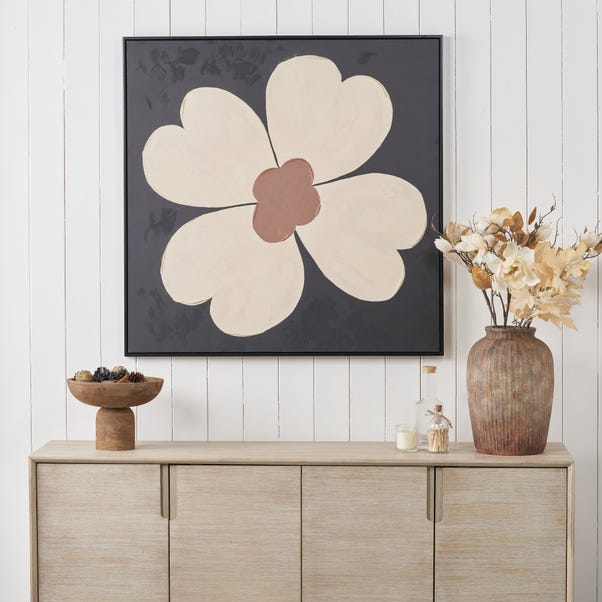
Large Framed Canvas Art: A Guide to Choosing and Displaying Statement Pieces
Large framed canvas art can transform a room. It draws the eye, adds colour and character, and gives an interior a clear focal point. Whether you are furnishing a spacious living room or refreshing a bedroom, the right piece can help bring the whole space together.
Why choose a large framed canvas?
A large artwork has presence. Rather than filling a wall with several smaller pieces, one substantial canvas can create a calmer, more cohesive look. The frame adds definition around the image and can help connect the artwork with the room’s furniture, finishes and overall style.
Canvas has a textured surface that can lend paintings a warm, tactile quality. A frame can make the finished piece feel more considered, while also providing a visual boundary between the artwork and the wall.
Choosing the right size
Before choosing an artwork, consider the wall and the furniture beneath it. A piece above a sofa or sideboard should usually be wide enough to feel in proportion, without extending too far beyond the furniture. As a general guide, artwork above furniture often looks balanced when it occupies around two-thirds of the furniture’s width.
Measure the available wall space, and leave enough room around the artwork so it does not feel cramped. If you are unsure, mark out the proposed dimensions with paper or masking tape before making a decision. This simple step can help you judge the scale from different parts of the room.
Finding a style that suits your space
Large framed canvas art can work in many settings, from contemporary interiors to more traditional homes. When choosing a piece, think about the mood you want to create:
- Abstract art can introduce movement, colour and a modern feel.
- Landscape paintings can bring a sense of space and tranquillity to a room.
- Botanical artwork can add natural forms and soften a pared-back interior.
- Figurative art can give a room personality and invite closer attention.
- Monochrome pieces can create contrast while keeping the palette restrained.
You can choose artwork that complements the colours already in a room, or make it a deliberate contrast. Repeating one or two colours from the artwork in cushions, ceramics or other details can help the room feel connected without matching everything exactly.
Understanding the frame
The frame influences how the artwork sits within the room. A slim frame can give a clean, contemporary finish, while a more substantial profile may feel traditional or dramatic. Natural wood can add warmth; black, white or metallic finishes can create a stronger contrast or echo other details in the space.
Consider both the frame’s colour and its depth. The best choice will depend on the artwork, the wall colour and the surrounding furnishings. If the image is already visually busy, a simple frame can provide balance. A quieter image may suit a more distinctive frame.
Where and how to hang it
Large canvas art is often displayed above a sofa, bed, mantelpiece or dining table. Hang it where it can be seen comfortably, taking the furniture and the usual viewing position into account. Artwork is often placed at eye level, but the ideal height can vary depending on the room and what sits below it.
Use hanging hardware that is suitable for the weight of the framed canvas and the type of wall. For heavier pieces, check whether the fixings need to go into a wall stud or masonry, and follow the hardware manufacturer’s instructions. If in doubt, seek help with installation.
Creating a balanced display
A single large artwork can make a strong statement on its own. Keep nearby wall décor and accessories relatively simple if you want the canvas to remain the main feature. In a larger room, you can also build a more layered arrangement with smaller objects, provided the overall display does not compete with the artwork.
Lighting can make a difference to how the colours and surface appear. Aim for even light, and avoid placing the canvas where it will be exposed to strong, prolonged direct sunlight, which may affect the artwork over time.
Caring for framed canvas art
Keep the artwork away from excessive moisture, heat and sudden changes in temperature. Dust the frame and canvas gently with a soft, dry cloth or brush, and avoid using cleaning products unless the artwork’s care instructions recommend them. When moving or storing a large piece, protect the corners and surface, and carry it securely by the frame.
A finishing touch with lasting impact
Large framed canvas art can change the feel of a room without requiring a full redesign. By considering scale, subject, colour and framing, you can choose a piece that feels at home in your space and gives the wall a purposeful finish. Take time to assess the dimensions and viewing position, and the result can be both striking and well balanced.
Essential Guide: Top 7 FAQs on Large Framed Canvas Art
- What size should I choose for large framed canvas art?
- How high should I hang a large framed canvas?
- How do I choose a frame to suit my canvas art and décor?
- Can large framed canvas art be hung above a sofa or bed?
- How do I hang a heavy framed canvas securely?
- How should I clean and care for framed canvas art?
- Can large framed canvas art be displayed in rooms with direct sunlight or high humidity?
What size should I choose for large framed canvas art?
Choose a size that feels in proportion to both the wall and the furniture nearby. Above a sofa or sideboard, a framed canvas around two-thirds of the furniture’s width often creates a balanced look; on a clear wall, you can choose a larger piece to make a statement. Measure the space first, allow room around the frame, and use paper templates to test different sizes before deciding.
How high should I hang a large framed canvas?
As a general guide, hang a large framed canvas so its centre sits around 145–155 cm from the floor, close to average eye level. If it is displayed above a sofa, bed or sideboard, leave roughly 15–25 cm between the furniture and the bottom of the frame, adjusting the height to suit the proportions of the wall and furniture. In rooms where people are usually seated, you may want to hang it slightly lower so it can be enjoyed comfortably.
How do I choose a frame to suit my canvas art and décor?
Choose a frame that complements both the artwork and the room without competing for attention. Consider the colours, subject and style of the canvas, then look at the finishes already in your décor: natural wood can add warmth, while black, white or metallic frames can create a crisp contrast or echo existing details. A simple, slim frame often suits a bold or detailed image, whereas a more substantial profile can give a quieter piece greater presence. If possible, compare frame samples with the canvas and wall colour in the room before deciding.
Can large framed canvas art be hung above a sofa or bed?
Yes, large framed canvas art can make an excellent focal point above a sofa or bed. Choose a piece that is in proportion to the furniture—around two-thirds of its width is a useful guide—and leave enough space between the frame and the furniture so the arrangement feels balanced. Hang it at a comfortable viewing height, and use wall fixings suited to the artwork’s weight and your wall type.
How do I hang a heavy framed canvas securely?
To hang a heavy framed canvas securely, first check the weight of the artwork and the type of wall it will be mounted on. Use fixings rated for that weight: masonry walls usually need suitable wall plugs and screws, while plasterboard may require a fixing into a stud or a heavy-duty plasterboard anchor. For larger pieces, use two fixing points to help distribute the load and keep the canvas level. Always follow the fixing manufacturer’s instructions, and seek professional help if you are unsure about the wall or the artwork’s weight.
How should I clean and care for framed canvas art?
To care for framed canvas art, gently dust the frame and canvas with a clean, soft, dry cloth or brush. Avoid water, sprays and household cleaning products, as these may damage the canvas, paint or frame. Keep the artwork away from direct sunlight, damp areas, heat sources and sudden changes in temperature to help prevent fading or warping. When moving or storing it, handle the piece by the frame and protect its surface and corners. Always follow any care instructions supplied with the artwork.
Can large framed canvas art be displayed in rooms with direct sunlight or high humidity?
Large framed canvas art is best displayed away from prolonged direct sunlight and areas of high humidity, such as bathrooms, as UV light can fade colours and moisture may cause the canvas or frame to warp or deteriorate. Choose a dry spot with stable room temperatures, and keep the artwork away from radiators and windows where strong sun falls. If the room is naturally humid, good ventilation and a dehumidifier can help protect the piece.