
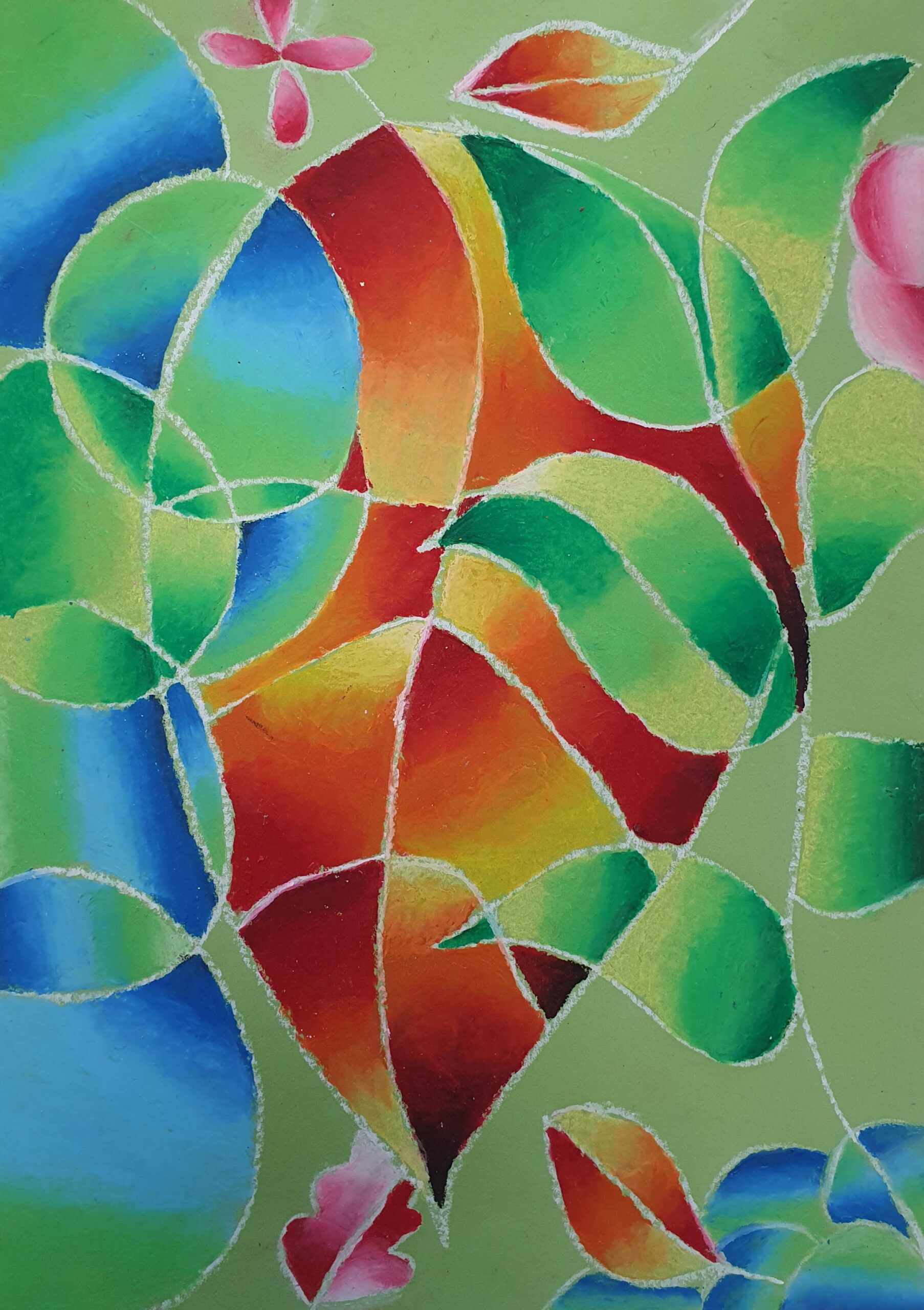
The Timeless Beauty of Pastel Artwork
When it comes to art mediums that exude a sense of softness, vibrancy, and elegance, pastels stand out as a timeless favourite among artists and art enthusiasts alike. Pastel artwork, created using dry pastel sticks made of powdered pigment and a binder, offers a unique visual experience that is both captivating and versatile.
One of the defining characteristics of pastel artwork is its rich, velvety texture that allows for seamless blending and layering of colours. This tactile quality adds depth and dimension to the artwork, creating a sense of luminosity that is often compared to painting with light.
Whether used for delicate portraits, vibrant landscapes, or expressive abstract compositions, pastels offer a wide range of possibilities for artists to explore. The immediacy of working with pastels allows artists to capture moments of inspiration with spontaneity and fluidity, resulting in artworks that are infused with energy and emotion.
Another allure of pastel artwork lies in its ability to convey subtle nuances of colour and light. The soft hues and gentle transitions achievable with pastels lend themselves beautifully to capturing the play of light and shadow, as well as the intricate details of the subject matter.
Furthermore, pastels are known for their archival quality and longevity, making them an enduring choice for artists seeking to create pieces that will stand the test of time. When properly framed and cared for, pastel artworks can retain their vibrancy and beauty for generations to come.
Whether you are an artist looking to explore new creative avenues or an art lover drawn to the enchanting allure of pastels, there is no denying the timeless beauty and expressive potential of pastel artwork. From delicate strokes to bold gestures, pastels offer a world of artistic possibilities waiting to be discovered.
Exploring the Advantages of Pastel Artwork: Versatility, Vibrancy, and Longevity
- 1. Versatile medium suitable for various subjects and styles.
- 2. Offers rich, velvety textures and vibrant colours.
- 3. Allows for easy blending and layering to create depth and dimension.
- 4. Immediate application enables spontaneity in artistic expression.
- 5. Captures subtle nuances of light, shadow, and colour transitions effectively.
- 6. Known for archival quality, ensuring longevity of the artwork.
Challenges of Pastel Art: Managing Mess, Fragility, and Fading
- Pastel dust can be messy and difficult to control, leading to potential smudging and accidental blending of colours.
- Pastel artworks may require additional fixatives to prevent smudging, which can alter the texture and appearance of the final piece.
- Pastels are delicate and fragile, making them susceptible to damage if not handled or stored carefully.
- Achieving fine details with pastels can be challenging due to their soft and imprecise nature, limiting precision in intricate work.
- Pastels can be more prone to fading over time compared to other art mediums, especially if exposed to direct sunlight or harsh environmental conditions.
- Blending colours with pastels requires skill and practice to achieve desired effects, making them less forgiving for beginners or those new to the medium.
1. Versatile medium suitable for various subjects and styles.
Pastel artwork shines as a versatile medium that effortlessly adapts to a wide array of subjects and styles. Whether capturing the intricate details of a still life, the ethereal beauty of a landscape, or the emotive expressions in a portrait, pastels offer artists the flexibility to explore diverse themes with ease. From bold and expressive strokes to delicate and nuanced blending, pastels empower artists to create artworks that resonate across genres and evoke a range of emotions. This adaptability makes pastel artwork a beloved choice for artists seeking to express their creativity in ways that transcend boundaries and conventions.
2. Offers rich, velvety textures and vibrant colours.
One of the standout advantages of pastel artwork is its ability to offer rich, velvety textures and vibrant colours that captivate the eye and engage the senses. The soft, smooth quality of pastels allows artists to achieve seamless blending and layering of hues, resulting in artworks that exude a sense of depth and luminosity. The vivid pigments used in pastels create intense and dynamic colour palettes, enabling artists to infuse their creations with a striking visual impact that draws viewers in and evokes a range of emotions. This unique combination of texture and colour makes pastel artwork a truly immersive and enchanting experience for both creators and admirers alike.
3. Allows for easy blending and layering to create depth and dimension.
One of the key advantages of pastel artwork is its ability to facilitate easy blending and layering, enabling artists to effortlessly create depth and dimension in their compositions. The soft, velvety texture of pastels lends itself well to seamless blending of colours, allowing for smooth transitions and subtle gradients. By layering different hues and tones, artists can achieve a sense of depth that adds richness and complexity to their work, enhancing the visual impact and creating a captivating three-dimensional effect that draws the viewer into the artwork.
4. Immediate application enables spontaneity in artistic expression.
One of the key advantages of pastel artwork is its immediate application, which allows artists to embrace spontaneity in their creative expression. With pastels, artists can quickly and effortlessly transfer their thoughts and emotions onto the canvas, capturing moments of inspiration with fluidity and freedom. This spontaneity not only adds a sense of vitality to the artwork but also encourages artists to explore new ideas and experiment with different techniques, resulting in pieces that are infused with a raw and authentic energy that is truly captivating.
5. Captures subtle nuances of light, shadow, and colour transitions effectively.
One of the standout advantages of pastel artwork is its exceptional ability to capture the delicate interplay of light, shadow, and colour transitions with remarkable effectiveness. The soft and blendable nature of pastels allows artists to convey subtle nuances in a way that brings depth and realism to their creations. Whether depicting the gentle shift of light across a landscape or the intricate details of a portrait’s features, pastels excel in capturing the nuanced beauty of these elements, resulting in artworks that are not only visually captivating but also emotionally evocative.
6. Known for archival quality, ensuring longevity of the artwork.
One notable advantage of pastel artwork is its renowned archival quality, guaranteeing the longevity and preservation of the artwork over time. Due to the high-quality pigments used in pastel sticks and their compatibility with archival paper, pastel artworks are known to retain their vibrancy and integrity for generations to come. Artists and collectors alike can take comfort in the fact that their cherished pastel pieces will stand the test of time, maintaining their beauty and allure for years to come.
Pastel dust can be messy and difficult to control, leading to potential smudging and accidental blending of colours.
One notable drawback of working with pastel artwork is the challenge posed by pastel dust, which can be messy and difficult to control. The fine particles of pigment released when using pastels can result in smudging and accidental blending of colours, potentially compromising the intended clarity and precision of the artwork. Artists must exercise caution and employ various techniques to minimize the impact of pastel dust, such as using fixatives or working strategically to prevent unwanted blending, in order to maintain the integrity of their creations.
Pastel artworks may require additional fixatives to prevent smudging, which can alter the texture and appearance of the final piece.
One drawback of pastel artwork is the potential need for additional fixatives to prevent smudging, especially in artworks that require handling or display. While fixatives can help preserve the integrity of the artwork by securing the pigment in place, they may also alter the texture and appearance of the final piece. The application of fixatives can sometimes darken or dull the colours, affecting the vibrancy and subtlety of the original pastel work. Artists must carefully consider the trade-off between protecting their creations from smudging and maintaining the desired aesthetic qualities of their artwork when deciding whether to use fixatives in their pastel pieces.
Pastels are delicate and fragile, making them susceptible to damage if not handled or stored carefully.
One significant drawback of pastel artwork is its inherent delicacy and fragility, rendering it vulnerable to damage if not handled or stored with utmost care. The soft nature of pastels means that they can easily smudge or break, leading to potential loss of detail and impact on the overall visual quality of the piece. Artists and collectors alike must exercise caution when working with or displaying pastel artworks to ensure their longevity and preservation. Proper storage techniques and handling practices are essential to safeguarding these exquisite creations from harm and maintaining their beauty for years to come.
Achieving fine details with pastels can be challenging due to their soft and imprecise nature, limiting precision in intricate work.
Creating intricate details with pastels can be a daunting task due to their soft and imprecise nature, presenting a significant challenge for artists aiming for precision in their work. The inherent tendency of pastels to blend and smudge easily can make it difficult to maintain sharp lines and intricate patterns, often requiring a delicate touch and careful planning to achieve desired levels of detail. This limitation may pose obstacles for artists seeking to execute complex compositions or intricate designs with the level of accuracy that other mediums, such as pencils or fine brushes, can offer.
Pastels can be more prone to fading over time compared to other art mediums, especially if exposed to direct sunlight or harsh environmental conditions.
One significant drawback of pastel artwork is its susceptibility to fading over time, particularly when exposed to direct sunlight or harsh environmental conditions. Unlike some other art mediums that may be more resistant to fading, pastels can lose their vibrancy and intensity if not properly protected. This vulnerability to light damage means that extra care must be taken when displaying or storing pastel artworks to ensure their longevity and preserve the artist’s original vision.
Blending colours with pastels requires skill and practice to achieve desired effects, making them less forgiving for beginners or those new to the medium.
Blending colours with pastels poses a significant challenge for beginners or those new to the medium, as it demands a certain level of skill and practice to achieve the desired effects. Unlike some other art mediums that may be more forgiving of mistakes, pastels require a delicate touch and an understanding of how different colours interact and blend together. This learning curve can be daunting for those who are just starting out with pastel artwork, as achieving smooth transitions and harmonious colour combinations can take time and patience to master.