
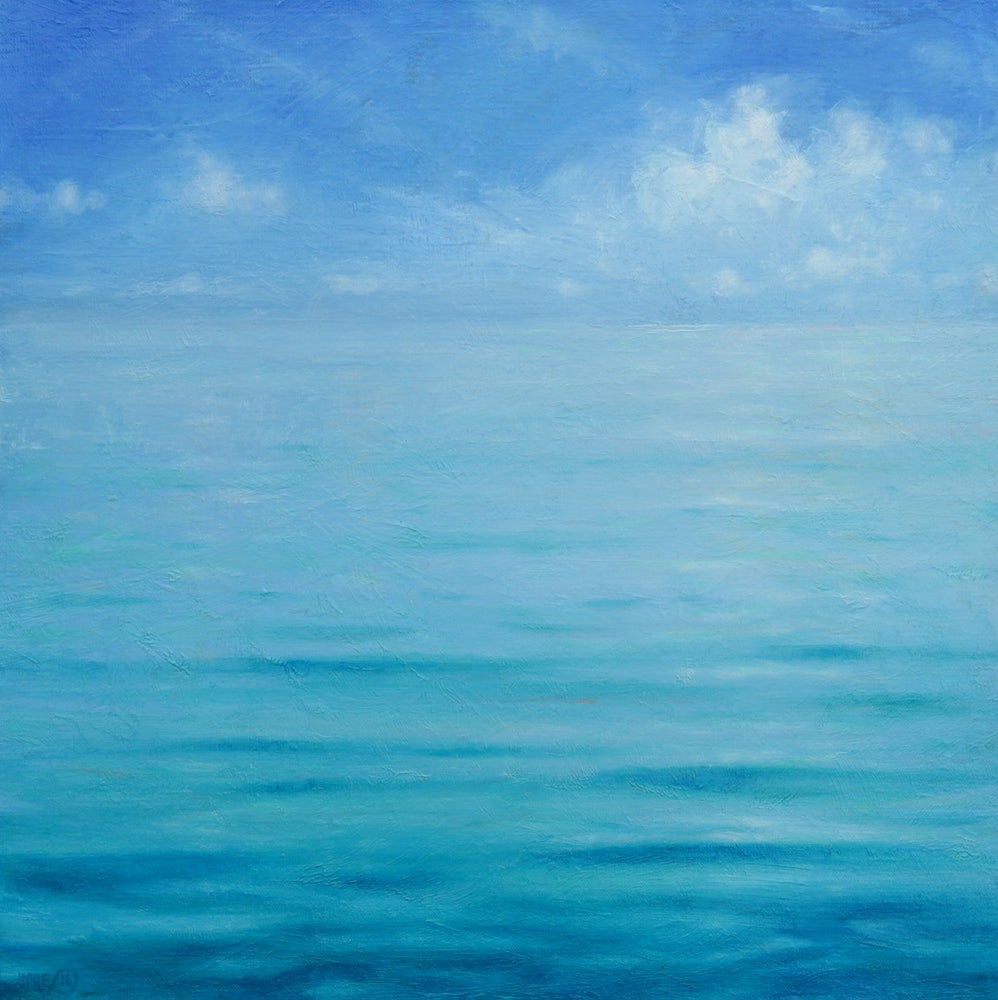
The Beauty of Ocean Artwork
Art has the incredible power to evoke emotions, tell stories, and transport us to different worlds. When it comes to ocean artwork, this power is magnified tenfold. The vastness, mystery, and beauty of the ocean have inspired artists for centuries, resulting in a rich tapestry of paintings, sculptures, and installations that capture the essence of the sea.
From serene seascapes that evoke a sense of calm and tranquillity to powerful depictions of raging waves that symbolise the raw power of nature, ocean artwork comes in many forms and styles. Artists use a variety of techniques to bring the ocean to life on canvas or in three-dimensional forms, often incorporating elements like light, colour, and texture to create immersive experiences for viewers.
One of the most fascinating aspects of ocean artwork is its ability to reflect our own emotions and experiences. The ebb and flow of the tide can mirror our own highs and lows, while the vastness of the sea can remind us of both our insignificance in the grand scheme of things and our interconnectedness with all living beings.
Through ocean artwork, artists not only celebrate the beauty and majesty of the sea but also raise awareness about environmental issues such as pollution, overfishing, and climate change. By shining a spotlight on these pressing concerns through their art, they inspire viewers to take action and protect our oceans for future generations.
Whether you’re drawn to peaceful seascapes that soothe your soul or bold abstract interpretations that challenge your perceptions, ocean artwork has something for everyone. So next time you find yourself gazing at a painting or sculpture inspired by the sea, take a moment to appreciate the skill, creativity, and passion that went into creating it—and let yourself be swept away by the beauty of ocean art.
Exploring Ocean Artwork: Common Questions and Insights into Styles, Techniques, and Impact
- What is ocean artwork?
- How do artists capture the essence of the ocean in their work?
- What are the different styles and techniques used in ocean artwork?
- How does ocean artwork inspire viewers and evoke emotions?
- What are some famous examples of ocean artwork throughout history?
- How can ocean artwork raise awareness about environmental issues?
- Where can one view or purchase ocean artwork?
What is ocean artwork?
Ocean artwork encompasses a diverse range of artistic expressions that draw inspiration from the vast and mesmerising world of the sea. From stunning seascapes capturing the beauty of ocean waves and marine life to abstract interpretations symbolising the depths of the ocean’s mysteries, ocean artwork offers a glimpse into the wonders and complexities of our marine environments. Artists use various mediums and techniques to convey the essence of the ocean, often evoking emotions, sparking contemplation, and highlighting environmental issues. Through their creations, they invite viewers to immerse themselves in the captivating realm of oceanic artistry and reflect on the profound connection between humanity and the sea.
How do artists capture the essence of the ocean in their work?
Artists capture the essence of the ocean in their work through a combination of skill, observation, and emotional connection. They study the movement of water, the play of light on its surface, and the ever-changing colours and moods of the sea to create authentic representations. By using techniques such as blending colours to mimic the shifting hues of water, capturing the dynamic textures of waves through brushstrokes, and incorporating elements like seagulls or boats to add context, artists bring the ocean to life on canvas or in sculptures. Beyond technical proficiency, artists infuse their creations with their own interpretations and feelings about the ocean, allowing viewers to experience a deeper connection with this powerful force of nature through their art.
What are the different styles and techniques used in ocean artwork?
Ocean artwork encompasses a diverse range of styles and techniques that capture the beauty and complexity of the sea. From realistic seascapes that meticulously depict every wave and ripple to abstract interpretations that convey the essence of the ocean through colour and form, artists employ various approaches to evoke different emotions and narratives. Some artists use traditional mediums like oil or watercolour to create detailed marine scenes, while others experiment with mixed media or digital art to push boundaries and explore new horizons in oceanic expression. Whether through impressionistic brushstrokes, intricate line work, or innovative installations, the myriad styles and techniques in ocean artwork offer a rich tapestry of creativity that reflects the endless fascination with the ever-changing seascape.
How does ocean artwork inspire viewers and evoke emotions?
Ocean artwork has a profound ability to inspire viewers and evoke emotions through its captivating portrayal of the sea’s vastness, beauty, and power. The mesmerising hues of blue and green, the dynamic movement of waves, and the mysterious depths of the ocean depicted in art can transport viewers to a realm of tranquillity or stir feelings of awe and wonder. By immersing themselves in ocean artwork, viewers often find themselves connecting with nature on a deeper level, experiencing a sense of calm, freedom, or even introspection as they contemplate the boundless depths and endless horizons captured by artists. The evocative nature of ocean artwork lies in its ability to resonate with our own emotions and experiences, inviting us to explore our relationship with the sea and the world around us.
What are some famous examples of ocean artwork throughout history?
Throughout history, there have been several famous examples of ocean artwork that have captivated audiences and stood the test of time. One iconic piece is “The Great Wave off Kanagawa” by Japanese artist Katsushika Hokusai, a woodblock print from the early 19th century that depicts a towering wave about to crash over fishing boats. Another renowned work is J.M.W. Turner’s “The Fighting Temeraire” from the 19th century, which portrays a majestic ship being towed away to be scrapped, symbolising the end of an era. More recently, contemporary artist Damien Hirst’s “The Physical Impossibility of Death in the Mind of Someone Living,” featuring a preserved shark in formaldehyde, has sparked discussions about humanity’s relationship with the ocean and its inhabitants. These famous examples showcase the diverse interpretations and enduring impact of ocean artwork throughout different periods in art history.
How can ocean artwork raise awareness about environmental issues?
Ocean artwork has the unique ability to raise awareness about environmental issues by serving as a powerful visual medium that captures the beauty and fragility of our oceans. Through evocative paintings, sculptures, and installations, artists can depict the impact of pollution, climate change, and overfishing on marine ecosystems in a way that resonates with viewers on an emotional level. By portraying the underwater world in all its intricate detail and diversity, ocean artwork can inspire empathy, provoke thought, and spark conversations about the urgent need to protect and preserve our oceans for future generations.
Where can one view or purchase ocean artwork?
For those seeking to view or purchase ocean artwork, there are several avenues to explore. Art galleries and museums often feature exhibitions dedicated to ocean-themed art, showcasing a diverse range of styles and interpretations. Additionally, online platforms such as art marketplaces and artist websites offer a convenient way to browse and acquire ocean artwork from the comfort of your own home. Many artists also participate in art fairs and exhibitions, providing an opportunity to engage directly with the creators and learn more about their inspiration behind each piece. Whether you’re looking to adorn your living space with a stunning seascape or add a touch of marine-inspired beauty to your collection, the world of ocean artwork awaits with endless possibilities for discovery.