
Pop Art Painting: Bold Colours, Everyday Icons and Lasting Influence
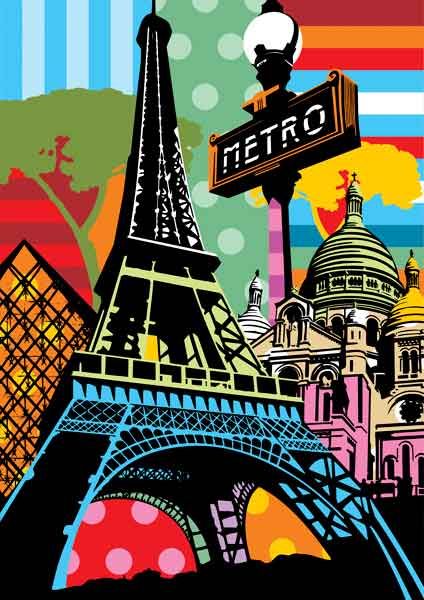
Pop art painting brings the imagery of everyday life into the world of fine art. Drawing on advertising, comics, celebrity culture and consumer goods, it transforms familiar subjects into bold, attention-grabbing works. Bright colours, strong outlines and repeated images are among its best-known features, but pop art is more than a distinctive look: it also invites us to think about how images shape modern life.
What is pop art?
Pop art emerged in the 1950s and became internationally prominent during the 1960s. Artists began looking beyond traditional subjects such as landscapes and classical figures, finding inspiration instead in the visual culture around them. Product packaging, newspaper photographs, film stars and comic strips all became potential material for paintings.
The movement developed in Britain and the United States, with artists responding to a rapidly changing world of mass production, television and popular media. Rather than treating popular culture as separate from fine art, pop artists brought the two together. Their work could be playful and accessible, while also questioning ideas about originality, fame and consumerism.
Common features of pop art painting
There is no single formula for a pop art painting, but several visual features are often associated with the style:
- Vivid colour: Bright, contrasting colours give the work immediate impact.
- Bold outlines: Strong contours can make figures and objects resemble printed illustrations.
- Everyday subject matter: Food, household objects, celebrities and commercial imagery are frequent themes.
- Repetition: Repeating an image can echo advertising and mass production, while changing its colour or context can alter its meaning.
- Graphic techniques: Flat areas of colour, speech bubbles, dots and crisp shapes may recall comics and printed media.
These elements can be used in many ways. Some paintings closely imitate the look of commercial printing, while others borrow pop art’s colour and imagery to create something more personal or expressive.
Why everyday images matter
Pop art’s use of familiar images makes it easy to approach. Viewers may recognise a product, a famous face or a visual style from a comic before considering the choices the artist has made. That recognition can lead to questions: Why has this image been selected? What happens when it is enlarged, repeated or placed in a new setting? Does it celebrate popular culture, criticise it, or do both at once?
By turning ordinary imagery into art, pop art painting challenges the boundary between the gallery and the street, and between unique artworks and reproducible images. A mass-produced object can become an arresting subject, while a familiar picture can feel strange when its scale, colour or context changes.
Making a pop art painting
Creating a pop art-inspired painting often begins with choosing a clear subject. A simple object or recognisable image can work well because it allows colour, shape and repetition to take centre stage. The artist might sketch the subject, simplify its outline and decide on a limited palette of striking colours.
Some painters use acrylics for their strong colour and quick drying time; others work in oils, watercolour or mixed media. Stencils, collage and digital sketches can help with clean edges and repeated motifs. The finished result need not look mechanically perfect. Visible brushwork or unexpected colour choices can add a distinctive, handmade quality.
When using photographs, logos or images created by other people, it is also worth considering copyright and permissions. Original photographs, drawings and invented packaging can provide a starting point while giving the work its own identity.
Pop art’s continuing appeal
Pop art remains influential because its subject matter keeps changing. Today’s artists can draw on online culture, social media, contemporary advertising and the constant flow of digital images. The visual language may be instantly recognisable, but each generation brings new references and concerns to it.
Whether viewed in a gallery or displayed at home, pop art painting offers energy, humour and visual clarity. Its bold imagery catches the eye, while its play with familiar symbols encourages a closer look. That combination helps explain why pop art continues to feel relevant: it reflects the world people see around them, then gives them a new way to see it.
Exploring Pop Art: Answers to 9 Common Questions About This Iconic Movement
- What is pop art painting?
- When did pop art begin?
- What are the main characteristics of pop art?
- Who are the most famous pop art artists?
- What subjects are commonly used in pop art paintings?
- What techniques are used to create pop art paintings?
- How can I make a pop art painting at home?
- Which colours are typically used in pop art?
- What is the difference between pop art and other art movements?
What is pop art painting?
Pop art painting is a style of visual art that takes inspiration from popular culture, including advertising, comic books, consumer products and celebrity imagery. Emerging in the 1950s and flourishing in the 1960s, it is often recognised by its bold colours, strong outlines, repeated images and graphic look. By turning familiar, everyday subjects into works of art, pop art can celebrate popular culture, question consumerism, or do both at once.
When did pop art begin?
Pop art began to emerge in the mid-1950s, first in Britain and then in the United States. It developed in response to the growing influence of advertising, mass-produced goods, comics and celebrity culture, becoming widely recognised as a major art movement during the 1960s.
What are the main characteristics of pop art?
Pop art is known for its bold colours, strong outlines and imagery drawn from popular culture, such as adverts, comics, celebrities and everyday products. Artists often use repetition, simplified shapes and graphic effects to echo mass-produced images and commercial printing. The style can feel playful and accessible, while also encouraging viewers to consider how consumer culture and the media influence the way we see the world.
Who are the most famous pop art artists?
Some of the most famous pop art artists include Andy Warhol, known for his colourful portraits of celebrities and repeated images of consumer products, and Roy Lichtenstein, whose paintings drew on the bold lines and Ben-Day dots of comic strips. In Britain, key figures include Richard Hamilton, often associated with the movement’s early development, and Peter Blake, celebrated for his vibrant, collage-inspired imagery. Other influential artists include Claes Oldenburg, known for playful sculptures and depictions of everyday objects, and Eduardo Paolozzi, whose work combined popular imagery with experimental collage.
What subjects are commonly used in pop art paintings?
Pop art paintings often feature familiar images from everyday life and popular culture, such as celebrities, comic-book characters, advertisements, product packaging, food and household objects. Artists may also depict logos, newspapers and other mass-media imagery, transforming recognisable subjects with bold colours, graphic outlines, repetition and unexpected changes of scale or context.
What techniques are used to create pop art paintings?
Pop art paintings often use bold, flat areas of colour, strong outlines and simplified shapes to create an immediate graphic impact. Artists may use stencils, collage, screen-printing or repeated motifs to echo the look of advertising and mass-produced images, while techniques such as Ben-Day dots can suggest the texture of printed comics. Acrylic paint is popular for its bright colours and clean finish, though artists also use oils, mixed media and digital tools. The approach varies: some works imitate commercial printing, while others combine pop art imagery with expressive brushwork or unexpected colour choices.
How can I make a pop art painting at home?
To make a pop art painting at home, choose a simple, recognisable subject, such as a fruit, a household object or a portrait, and sketch its outline on paper or canvas. Use bold outlines, flat areas of colour and a bright, contrasting palette; acrylic paints are a practical choice as they dry quickly and are easy to layer. You could repeat the image in different colours or add graphic details inspired by comics and advertising. Keep the design clear and have fun experimenting—pop art is all about turning familiar imagery into something striking and fresh.
Which colours are typically used in pop art?
Pop art is often associated with vivid, high-contrast colours such as red, yellow, blue and bright pink, frequently set against black outlines or clean white backgrounds. Artists may use flat, unblended blocks of colour to echo comic books and commercial printing, or repeat the same image in different colour combinations. There is no fixed palette, though: contemporary pop art can use softer shades or more restrained tones while retaining its bold, graphic character.
What is the difference between pop art and other art movements?
Pop art differs from many earlier art movements by taking its subjects from everyday popular culture, including advertising, comics, consumer products and celebrity imagery, rather than focusing mainly on traditional themes or personal expression. Its bold colours, graphic outlines and repeated images often echo the look of mass-produced media. While movements such as Impressionism explored light and atmosphere, or Surrealism explored dreams and the unconscious, pop art examines how familiar images influence modern life—sometimes celebrating them, sometimes questioning consumerism and fame.