
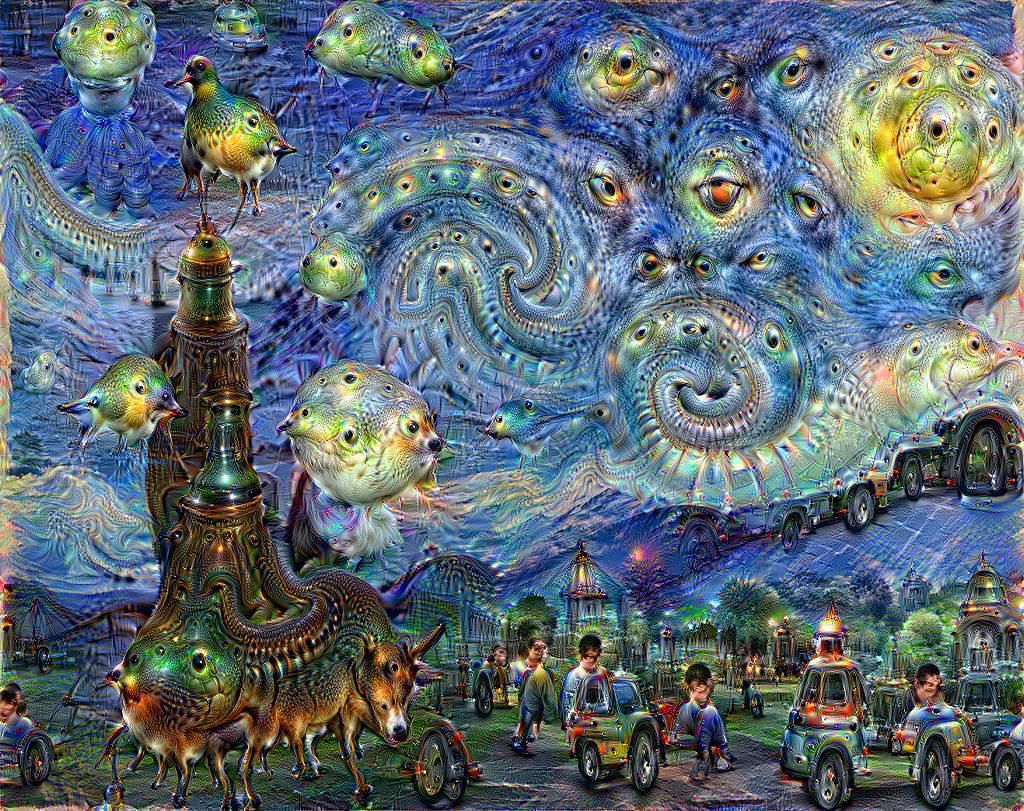
AI Artwork: Creativity, Technology and the Changing Role of the Artist
Artificial intelligence is changing how images are made. With a written prompt, a rough sketch or a reference image, AI tools can produce visual compositions in seconds. The results range from convincing illustrations to strange, dreamlike scenes that would be difficult to create through conventional methods.
Yet AI artwork is more than a technical novelty. It raises questions about imagination, authorship and the value of human skill. Understanding both its possibilities and its limitations is essential to making sense of its place in contemporary art.
What Is AI Artwork?
AI artwork is visual work created or developed using artificial intelligence. This can include images generated from text, photographs transformed through AI-assisted editing, and digital compositions that combine generated elements with hand-made work.
Many image-generation systems learn statistical patterns from large collections of images and accompanying text. When given a prompt, they use those learned patterns to generate a new image. This is not usually a straightforward process of cutting and pasting existing pictures, although models can sometimes reproduce recognisable elements from their training material.
The amount of human involvement varies considerably. One person might accept the first image a tool produces, while another might spend days refining prompts, adjusting compositions and painting over generated results. Both involve AI, but the creative processes are quite different.
How Artists Use AI
For some artists, AI is a starting point rather than a finished medium. It can help test colour palettes, explore alternative compositions or suggest unexpected combinations of objects and textures.
An illustrator, for example, might generate several atmospheric studies before drawing an original scene. A mixed-media artist might incorporate AI-generated imagery into a collage, then alter it through painting, printing or embroidery. Others make the technology itself the subject of their work, exploring its biases, visual habits and mistakes.
These approaches show why it is useful to distinguish between AI-generated and AI-assisted artwork. The terms are not universally defined, but they help describe whether a system produced most of the visible image or played a supporting role in a broader creative process.
The Creative Possibilities
One of AI’s strongest attractions is speed. Artists can explore a wide range of visual directions without developing every idea from scratch. This can encourage experimentation, particularly during the early stages of a project.
AI tools can also lower some technical barriers to image-making. People without formal drawing or painting training may use them to communicate an idea visually. For some disabled creators, particular tools may offer additional ways to develop work, although accessibility varies between platforms.
Unexpected results can be creatively useful too. An unusual perspective, an ambiguous shape or an accidental distortion might become the basis of a more deliberate piece. As with other experimental techniques, an apparent error can open up a new direction.
Where AI Artwork Falls Short
A polished image is not necessarily a successful artwork. AI systems can produce attractive surfaces while struggling with spatial relationships, consistent details or precise instructions. Their output may look convincing at first glance but become less coherent on closer inspection.
There is also a risk of visual sameness. Popular prompts and widely used models can lead to familiar lighting, textures and compositions. Creating a distinctive body of work usually requires more than selecting an appealing result: it involves judgement, development and a clear sense of purpose.
AI systems do not bring lived experience or personal intention to an image in the way a human artist does. Viewers may still find meaning in generated work, but that meaning should not be confused with feelings or experiences belonging to the software.
Copyright, Consent and Fairness
Some of the strongest objections to AI artwork concern the material used to train image-generation systems. Artists and rights holders have questioned whether their work has been included without permission, payment or meaningful opportunities to opt out.
The legal position depends on the jurisdiction, the training process and the particular use involved. In the UK, copyright law includes provisions concerning computer-generated works, but their application to modern generative AI can be complex. A platform’s terms may permit commercial use without resolving every possible third-party rights issue.
Ethical questions go beyond copyright. Asking a tool to imitate a living artist’s distinctive style may raise concerns about attribution, income and professional identity, even where the legal position is uncertain. A more responsible approach is to develop an independent visual direction rather than market generated work as a substitute for a named artist.
Can AI Artwork Be Considered Art?
There is no single agreed answer, partly because definitions of art have always been contested. Photography, collage and digital image-making each challenged established ideas about artistic skill and originality.
AI introduces a particular difficulty: much of the visible execution can be delegated to a system. This makes the creator’s decisions especially important. What was the intention? Why was one result chosen over another? How was the image changed, presented or placed in context?
For some audiences, those choices are enough to support an artistic claim. Others place greater value on direct physical engagement with materials or on the trace of an individual hand. Rather than settling the debate through a label alone, it is often more revealing to examine the work and the process behind it.
A Responsible Approach to AI Image-Making
Anyone using AI creatively can take practical steps towards greater transparency and care:
- Check the tool’s policies: Look for clear information about training data, licensing and permitted uses.
- Explain the process: Disclose significant AI involvement where it matters, especially in commissions, competitions and commercial work.
- Respect other creators: Avoid misleading attribution or presenting generated imagery as the work of a real artist.
- Review images carefully: Check for inaccuracies, stereotypes, unintended similarities and inappropriate details.
- Protect private material: Obtain permission before uploading clients’ images, unpublished artwork or identifiable photographs.
- Add considered creative input: Use selection, editing and context to develop work beyond a default output.
The Future of AI Artwork
AI is likely to remain part of visual culture, but its role will depend on more than improvements in image quality. Licensing practices, legal decisions, audience expectations and artists’ choices will all influence how the technology develops.
Its most worthwhile applications may be those that expand creative possibilities without obscuring the people and work on which the technology depends. AI can offer speed, variation and surprise. Artistic value still calls for judgement: deciding what deserves attention, what an image communicates and why it matters.
AI Artwork FAQs: Best Generators, Free Tools, How to Create and Legal Considerations
- What is AI generated artwork?
- Which AI art generator is best?
- Is Dall-E 2 free?
- What is the best free AI art Generator?
- How do you do the AI artwork?
- Is it legal to use AI art?
- Is there a free AI art?
- How can I make AI art for free?
What is AI generated artwork?
AI-generated artwork is visual content created using artificial intelligence, often in response to a written description, known as a prompt. These systems learn patterns from large collections of images and text, then use those patterns to generate pictures in a variety of styles, from realistic portraits to abstract compositions. People can guide the process by refining prompts, providing reference images and editing the results. The level of human involvement varies, so AI-generated artwork can range from an unedited image produced in seconds to a carefully developed piece combining AI output with traditional or digital techniques.
Which AI art generator is best?
The best AI art generator depends on your budget, preferred style and how much control you need. Midjourney is a popular choice for striking, stylised imagery, while Adobe Firefly is worth considering for integration with Adobe’s creative tools. Stable Diffusion-based tools offer extensive customisation, particularly for those comfortable with a more technical workflow. For beginners, a tool with a straightforward interface and conversational editing may be the easiest starting point. Compare current pricing, image quality, privacy settings and commercial-use terms before choosing, as features and licences change regularly.
Is Dall-E 2 free?
DALL·E 2 is no longer available as a separate image-generation service, so it cannot currently be used on a free or paid basis. OpenAI has since moved image generation to newer tools, where access and pricing depend on the product and plan. Check OpenAI’s current pricing and usage details for the latest information, as these can change.
What is the best free AI art Generator?
The best free AI art generator depends on the style of artwork and features you need. Adobe Firefly is worth considering for creative experimentation and integration with Adobe tools, while Ideogram is a useful option for designs that include text. Leonardo.Ai offers tools for exploring different visual styles, and Microsoft’s image-generation tools provide an accessible starting point for beginners. Free plans often limit the number of images you can generate, processing speed or access to advanced features, and these allowances can change. Before choosing a tool, check its current free offering, privacy policy and licensing terms, particularly if you intend to sell or publish the artwork.
How do you do the AI artwork?
AI artwork is created using tools that generate or modify images from written prompts, reference images or other inputs. The process usually involves describing the subject, style and composition, then refining the results by adjusting the prompt or editing the image. The exact steps depend on the tool and the artist’s approach, and the finished piece may combine AI-generated elements with traditional digital or hand-made techniques.
Is it legal to use AI art?
Using AI art can be legal in the UK, but it depends on the image, how it was created and how it will be used. Check the AI platform’s terms, particularly before using an image commercially, as permission from the platform does not guarantee that an output is free from third-party rights claims. An image that reproduces a substantial part of a copyright-protected work, misuses a trade mark or falsely suggests someone’s endorsement could create legal problems. Whether the AI-generated image itself qualifies for copyright protection is a separate, legally complex question. For high-value commercial projects or uncertain cases, seek advice from a qualified intellectual property solicitor.
Is there a free AI art?
Yes, several AI art generators offer free access, allowing users to create images from written descriptions or experiment with different visual styles. Free plans often come with limits, such as a set number of credits, slower processing, watermarks or restricted image resolution. Some tools also offer a free trial rather than ongoing free use, so it is worth checking the current terms before signing up. If the artwork is intended for sale or business use, check the platform’s licensing conditions, as free access does not automatically mean unrestricted commercial rights.
How can I make AI art for free?
To make AI art for free, choose an image-generation tool with a free plan, such as Adobe Firefly, Canva or Microsoft Designer, and describe the image you want to create. Include details such as the subject, colours, mood and composition, then refine your prompt to explore different results. Free access may require an account and usually comes with limits on credits, image quality or available features, so check the current terms before starting. If you plan to sell or publish your artwork, also review the tool’s licensing conditions, as free access does not automatically mean unrestricted commercial use.