
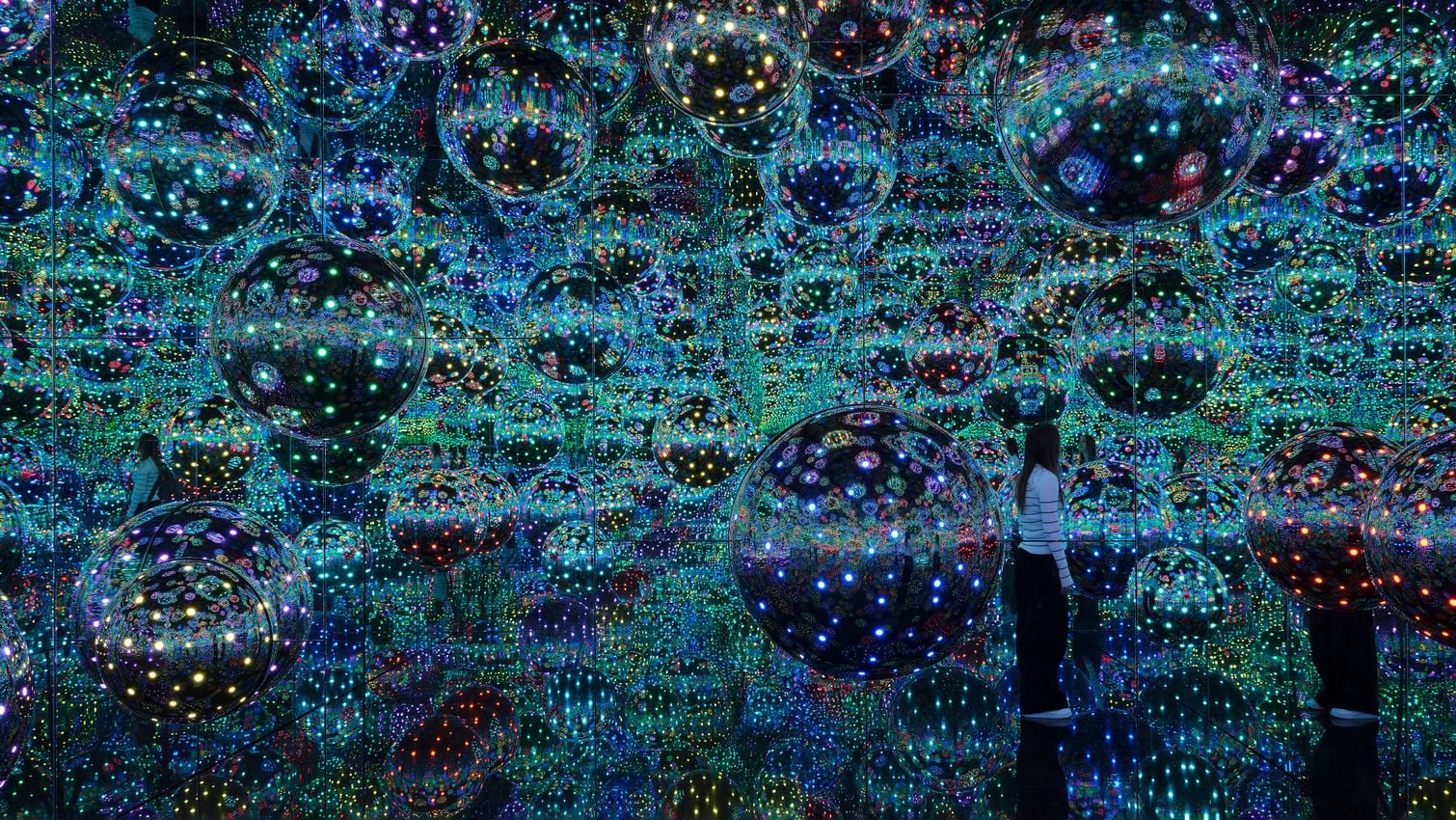
Contemporary Artworks: Exploring Ideas, Materials and Meaning
Contemporary art reflects the world we live in now. It responds to changing cultures, new technologies, political debate and everyday experience. From paintings and sculpture to photography, installation and digital media, contemporary artworks take many forms—and invite viewers to look beyond the familiar.
What makes an artwork contemporary?
The term “contemporary art” generally describes art made by living artists or within the present era. It is not defined by one particular style or material. Instead, it encompasses a wide range of approaches, shaped by the artist’s ideas, experiences and surroundings.
A contemporary artwork might be a carefully composed painting, a large-scale installation, a photographic series or an interactive digital piece. Some works use traditional techniques in unexpected ways; others experiment with new materials and processes. What connects them is their engagement with the questions and possibilities of the present.
More than what meets the eye
Colour, shape, texture and composition are often the first things we notice in an artwork. But many contemporary pieces also encourage us to consider the story or idea behind what we see. A work may explore identity, memory, place, nature or the pace of modern life. It may raise questions rather than offer a single, definitive answer.
This openness is part of the appeal. Viewers bring their own knowledge and experiences to a work, so the same piece can prompt different responses. Looking closely, reading about the artist’s process and allowing time for reflection can all deepen the experience.
A broad range of approaches
Contemporary artists often move between disciplines. Painting may incorporate collage or found materials; sculpture may use sound, light or moving image; photography may be combined with text or installation. Digital tools have also expanded the ways artists can create and present their work.
At the same time, traditional forms remain an important part of contemporary practice. Many artists continue to work with paint, paper, clay, textiles and other familiar materials, using them to express fresh perspectives. The result is a varied art world in which experimentation and tradition can sit side by side.
How to engage with contemporary art
There is no single correct way to respond to an artwork. Start by noticing your immediate reaction: what draws your attention, and what emotions or memories does the piece bring to mind? Then consider how the artwork has been made. Its scale, materials, arrangement and setting may all affect the way it is experienced.
It can also help to ask open questions. What might the artist be exploring? Does the work remind you of something beyond the gallery? Are there details you did not notice at first? You do not need specialist knowledge to enjoy art, and uncertainty can be a valuable starting point for discovery.
Why contemporary artworks matter
Contemporary artworks offer ways to reflect on individual lives and shared concerns. They can challenge assumptions, make overlooked experiences visible and encourage new conversations. Some are striking and immediate; others reveal their qualities gradually. Many do both.
Exploring contemporary art is ultimately an invitation to look with curiosity. By spending time with different works and perspectives, we can find new ways to understand the world around us—and perhaps see familiar things differently.
Contemporary Art: Six Frequently Asked Questions
- What is contemporary art?
- What makes an artwork contemporary?
- What are the main types of contemporary art?
- How can I understand and interpret contemporary artworks?
- How do I choose a contemporary artwork for my home?
- How can I find out whether a contemporary artwork is authentic and what it is worth?
What is contemporary art?
Contemporary art is art created in the present era, generally by living artists. It has no single style or medium: it can include painting, sculpture, photography, installation, performance and digital work. Contemporary artists often respond to the ideas, experiences and issues shaping life today, inviting viewers to explore different perspectives and interpretations.
What makes an artwork contemporary?
An artwork is generally considered contemporary if it was created by an artist living today or belongs to the present era. The term does not describe one particular style or medium: contemporary artworks can include painting, sculpture, photography, installation and digital art. What often distinguishes them is how they engage with the ideas, experiences and questions of our time, while inviting viewers to interpret them in their own way.
What are the main types of contemporary art?
Contemporary art includes a wide range of forms, with no single style defining it. Common types include painting, sculpture, photography, drawing, printmaking, installation and performance art, as well as film, video and digital or interactive works. Many artists combine several mediums or experiment with materials and technology, creating pieces that explore current ideas, experiences and social issues.
How can I understand and interpret contemporary artworks?
To understand and interpret contemporary artworks, begin by observing what catches your eye: the subject, colours, materials, scale and way the work is displayed. Notice your immediate feelings and associations, then consider what ideas or questions the artist might be exploring. Reading the artwork’s title or accompanying notes can offer useful context, but there is no single correct interpretation—your own experiences and perspective are part of how you respond. Take your time, look again and stay curious, even if the work initially feels unfamiliar.
How do I choose a contemporary artwork for my home?
Choose a contemporary artwork for your home by starting with what genuinely appeals to you: consider the colours, subject and mood you enjoy, rather than following trends. Think about where the work will hang, how its size and colours will relate to the room, and whether you want it to create a focal point or complement your existing décor. Whenever possible, view the artwork in person or check detailed images, dimensions and framing options before buying. Most importantly, choose a piece you will be happy to live with and return to every day.
How can I find out whether a contemporary artwork is authentic and what it is worth?
To check whether a contemporary artwork is authentic, ask the artist or their representing gallery to confirm its provenance and request relevant documentation, such as a signed certificate of authenticity, purchase records or exhibition history. For established artists, you can also consult a catalogue raisonné or recognised specialist. To estimate its value, compare recent sales of similar works by the same artist, taking account of size, medium, date, condition and provenance; an independent art valuer or auction-house specialist can provide a professional opinion. Remember that an insurance valuation may differ from the price the work could achieve in a sale, and documentation alone does not guarantee authenticity.