
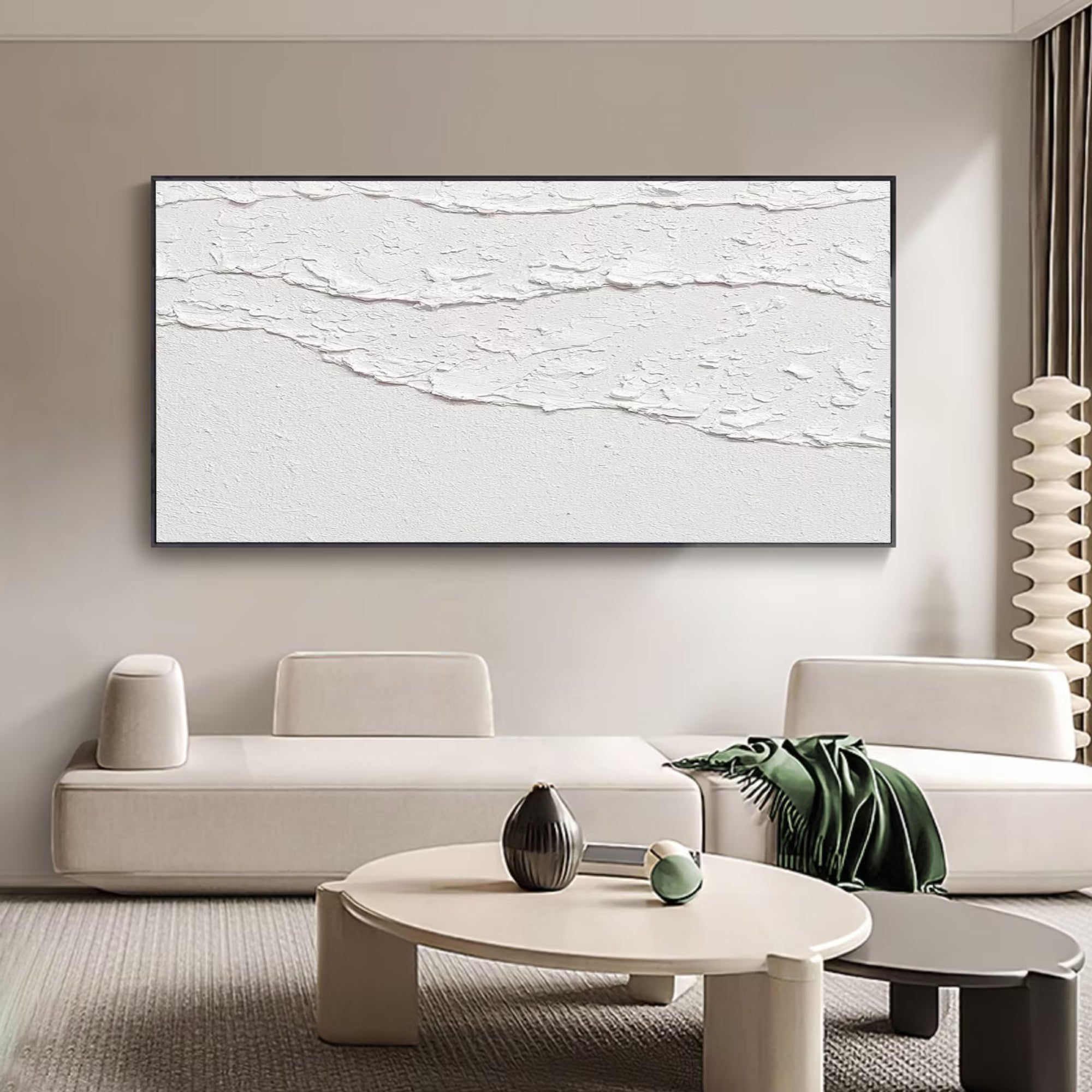
The Beauty of Textured Artwork
Textured artwork adds a whole new dimension to the world of art. By incorporating various textures into their creations, artists can evoke a wide range of emotions and engage the senses in a unique way.
One of the most intriguing aspects of textured artwork is the tactile experience it offers. Viewers are not only able to see the piece but also feel its surface, adding a deeper level of interaction with the art. Whether it’s rough and rugged or smooth and velvety, textures can create a sensory journey for the observer.
Moreover, textures can convey different meanings and messages within a piece of artwork. A rough texture might symbolise hardship or struggle, while a soft texture could represent comfort and tranquillity. Artists use textures as a tool to enhance storytelling and bring their creations to life.
Textured artwork also has a way of capturing light and shadow in fascinating ways. The play of light on different surfaces can create dynamic visual effects, adding depth and complexity to the overall composition. This interplay between light, shadow, and texture can draw the viewer’s eye and create captivating moments within the artwork.
Whether it’s through intricate brushstrokes, mixed media elements, or sculptural additions, textured artwork invites us to explore art in a multisensory manner. It challenges our perceptions and invites us to engage with art on a deeper level.
Next time you encounter a textured piece of artwork, take a moment to appreciate not just what you see but also what you feel. Let yourself be immersed in the rich tapestry of textures that artists use to create truly unforgettable masterpieces.
Mastering Textured Art: 8 Tips for Adding Depth and Interest to Your Creations
- Experiment with different textures to add depth and interest to your artwork.
- Use a variety of tools and techniques to create unique textures in your pieces.
- Consider the mood or theme of your artwork when choosing textures to incorporate.
- Mix smooth and rough textures for contrast and visual impact.
- Layering different textures can create a rich and complex surface in your artwork.
- Don’t be afraid to get creative with unconventional materials to add texture to your work.
- Pay attention to how light interacts with the textured surfaces in your artwork for added dimension.
- Practice incorporating textures into your art regularly to develop your skills and style.
Experiment with different textures to add depth and interest to your artwork.
To enhance the depth and visual intrigue of your artwork, consider experimenting with a variety of textures. By incorporating different tactile elements into your creations, you can elevate the overall aesthetic and create a more engaging experience for viewers. Whether it’s through layering paint, adding mixed media components, or exploring unconventional materials, embracing diverse textures can bring richness and complexity to your art. Allow yourself the freedom to play with textures and discover how they can transform your work into a multi-dimensional masterpiece that captivates the senses.
Use a variety of tools and techniques to create unique textures in your pieces.
To enhance the richness and depth of your artwork, utilise a diverse array of tools and techniques to craft unique textures. Experiment with different materials, such as brushes, palette knives, sponges, or even unconventional items like cardboard or combs, to achieve a variety of tactile effects. By exploring various methods of application and manipulation, you can infuse your pieces with individuality and intrigue, inviting viewers to immerse themselves in the captivating world of textured art.
Consider the mood or theme of your artwork when choosing textures to incorporate.
When creating textured artwork, it is essential to consider the mood or theme you wish to convey through your piece. The choice of textures can play a significant role in shaping the emotional impact of the artwork. Whether aiming to evoke a sense of serenity with smooth, flowing textures or to add intensity with rough, jagged surfaces, aligning the textures with the intended mood or theme can enhance the overall storytelling and visual experience for viewers. By carefully selecting and incorporating textures that complement the artistic vision, artists can effectively communicate their message and create a more immersive and engaging artistic narrative.
Mix smooth and rough textures for contrast and visual impact.
When creating textured artwork, a tip to keep in mind is to mix smooth and rough textures to achieve contrast and enhance visual impact. By juxtaposing surfaces that are sleek and polished with those that are rugged and gritty, artists can create a dynamic interplay that captures the viewer’s attention. This contrast not only adds depth and complexity to the piece but also invites exploration and engagement as observers navigate the different tactile experiences within the artwork. The combination of smooth and rough textures can evoke a sense of balance, intrigue, and visual interest, making the artwork all the more compelling and memorable.
Layering different textures can create a rich and complex surface in your artwork.
Layering different textures in your artwork can elevate it to new heights, creating a rich and complex surface that captivates the viewer’s imagination. By combining various textures, artists can add depth and dimension to their creations, inviting a closer inspection of the intricate layers that make up the final piece. Each texture contributes its own unique character to the overall composition, resulting in a visually stimulating and engaging artwork that tells a story not just through its visuals but also through its tactile qualities. The art of layering textures allows for endless possibilities and opens up a world of creativity for artists seeking to push boundaries and create truly immersive art experiences.
Don’t be afraid to get creative with unconventional materials to add texture to your work.
When delving into textured artwork, don’t shy away from experimenting with unconventional materials to infuse your creations with unique textures. Embrace the opportunity to think outside the box and incorporate unexpected elements that can elevate the tactile experience of your art. Whether it’s exploring textures through found objects, organic materials, or innovative techniques, daring to be creative with unconventional materials can unlock a world of possibilities and add a distinctive flair to your work.
Pay attention to how light interacts with the textured surfaces in your artwork for added dimension.
When creating textured artwork, it is crucial to pay close attention to how light interacts with the varied surfaces within your piece. The way light plays off different textures can add a whole new dimension to your artwork, enhancing its depth and visual interest. By strategically considering how light and shadow interact with the textures you incorporate, you can create captivating effects that draw the viewer’s eye and elevate the overall impact of your creation. Experimenting with lighting angles and intensities can reveal hidden intricacies within the textures, transforming your artwork into a dynamic interplay of visual elements.
Practice incorporating textures into your art regularly to develop your skills and style.
To enhance your artistic abilities and cultivate a distinctive style, it is advisable to regularly integrate various textures into your artwork. By experimenting with different textures, you can expand your creative repertoire, refine your techniques, and ultimately develop a unique artistic identity. Embracing the challenge of incorporating textures into your art on a consistent basis will not only sharpen your skills but also add depth and richness to your creations, making them more engaging and visually compelling.