
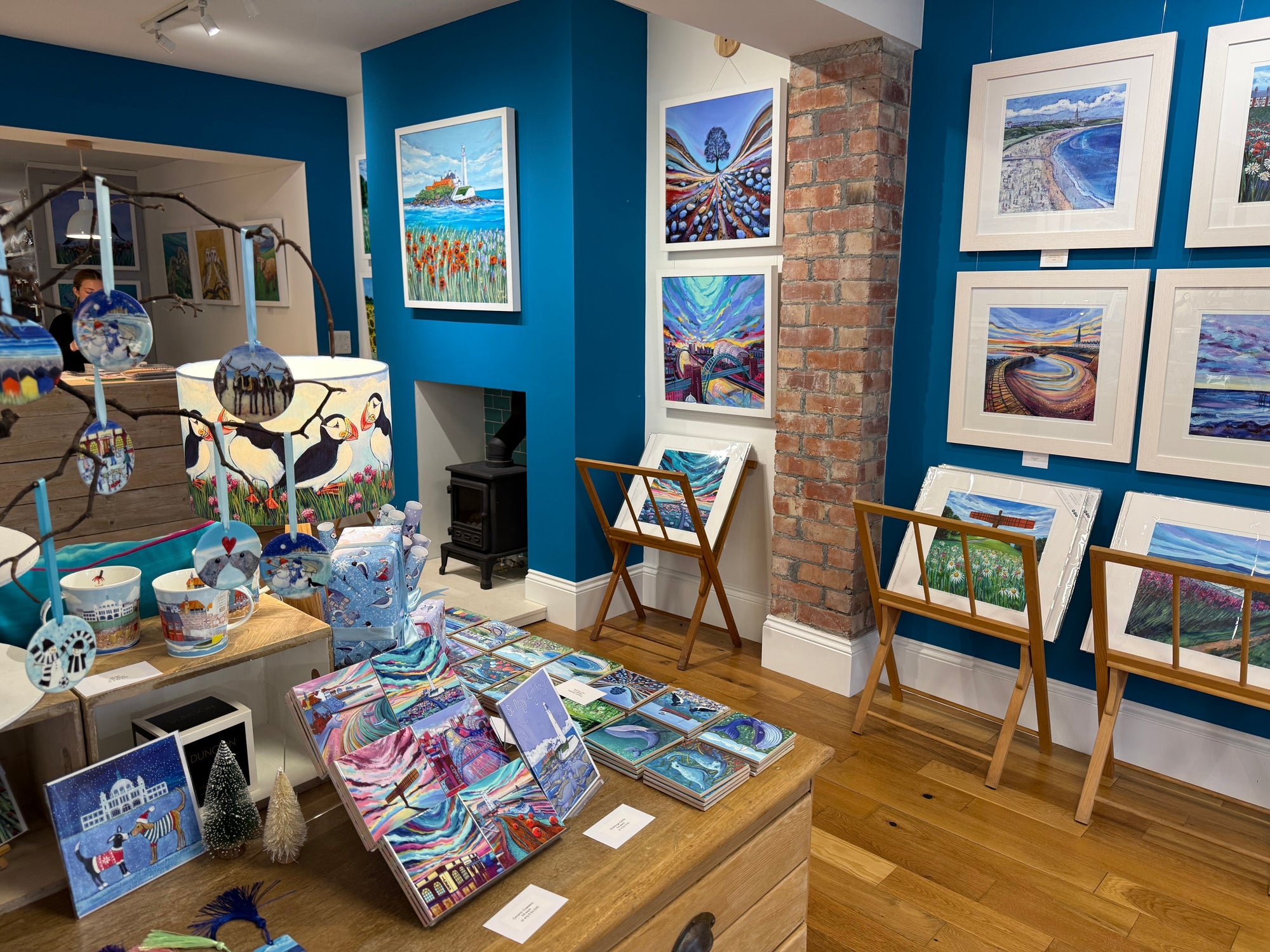
Art for Sale Near Me: How to Find a Piece You’ll Love
Searching for “art for sale near me” is a great way to discover original work, support artists and find something that feels at home in your space. Whether you’re looking for a striking painting, a thoughtful gift or the first piece in a collection, taking time to explore your options can make the search more rewarding.
Start with what you’re drawn to
Before visiting galleries or browsing online, think about the art you enjoy living with. You might be drawn to bold colour, expressive brushwork, familiar landscapes or more abstract forms. You don’t need to know art terminology or settle on a particular style straight away. Notice which works catch your eye and how they make you feel.
It can also help to consider where the artwork will go. Think about the room, the available wall space, the colours already there and whether you want the piece to blend in or become a focal point. A photograph of the space and a few measurements can be useful when viewing art in person.
Where to look for art locally
Local galleries are a good place to see artwork up close. You can appreciate details, texture and scale in a way that may be difficult on a screen, and gallery staff can often tell you more about the artist and the work. Open studios, art fairs and exhibitions are also worth exploring, offering the chance to discover artists and styles you might not otherwise encounter.
When searching online, try adding your town or region to phrases such as “original paintings”, “local artists” or “art galleries”. Many galleries and artists show their collections online, so you can browse at your own pace before arranging a visit or making an enquiry.
Choosing the right artwork
Buying art is a personal decision. A piece doesn’t have to match every cushion or colour in a room; sometimes contrast is what gives it presence. Consider whether you’re choosing the work because you enjoy looking at it, rather than because you think it will follow a trend. Art you connect with can bring pleasure to a home for years.
If you’re unsure about size, ask whether the gallery can provide measurements or show the work in a room setting. Check what is included in the price, such as framing, and ask about delivery, collection and returns before purchasing. For original work, you may also want to find out whether it is signed and whether a certificate of authenticity is provided.
Buying art online
Online art collections make it easy to discover work beyond your immediate area. Look for clear photographs, accurate dimensions and information about materials and framing. If anything is unclear, contact the gallery or artist before buying. Ask how the artwork will be packaged and delivered, particularly if it is large or has a delicate frame.
Seeing a piece in person is helpful, but it isn’t always essential. A reputable seller should be able to answer your questions and provide enough detail for you to make an informed choice.
Find a piece that feels like yours
Whether you visit a nearby gallery or browse from home, finding art for sale near you is about more than filling a wall. It’s an opportunity to discover an artist’s perspective and choose a work that brings character and meaning to your surroundings.
Take your time, explore different styles and follow what genuinely appeals to you. When a piece keeps drawing you back, it may be the one worth bringing home.
Discovering Local Art: 7 Tips for Finding and Purchasing Art Near You
- Search for local galleries and art fairs nearby.
- Visit craft markets to find emerging artists.
- Check community noticeboards for art sales.
- Compare prices before buying a piece.
- Ask about the artwork’s materials and provenance.
- Measure your space before choosing a work.
- Follow local artists for new listings and events.
Search for local galleries and art fairs nearby.
Search for local galleries and art fairs nearby to discover artwork in person and support artists in your area. Seeing a piece up close lets you appreciate its colours, texture and scale, while gallery staff and artists can share more about its inspiration and materials. Art fairs are also a great way to explore a variety of styles and meet emerging artists—all within your local community.
Visit craft markets to find emerging artists.
Visit local craft markets to discover emerging artists and explore original work in a relaxed setting. You can meet makers, hear the stories behind their pieces and ask about the materials and techniques they use. Markets often offer a varied selection, from paintings and prints to ceramics and textiles, with options to suit different tastes and budgets.
Check community noticeboards for art sales.
Check community noticeboards for local art sales and exhibitions. You’ll often find listings at libraries, community centres, cafés and local shops, as well as on neighbourhood websites and social media groups. These notices can lead you to affordable original work, open-studio events and artists selling directly in your area—so keep an eye out for dates, locations and contact details.
Compare prices before buying a piece.
Before buying a piece of art, compare prices across galleries, artists’ websites and reputable online platforms. Prices can vary depending on the artist, medium, size, framing and whether the work is an original or a print, so check that you’re comparing like with like. Remember to include any extra costs, such as delivery or framing, and don’t hesitate to ask the seller what’s included in the price.
Ask about the artwork’s materials and provenance.
Before buying a work of art, ask what materials the artist used and how the piece was made. Knowing whether it is an oil painting, watercolour, print or mixed-media work can help you understand how to care for it and how it may age. It’s also worth asking about its provenance: where and when it was created, who has owned it, and whether any documentation is available. This information can give you a clearer picture of the artwork’s history and help you make an informed purchase.
Measure your space before choosing a work.
Before choosing a work of art, measure the space where you plan to display it. Note the available width and height, and consider the distance from nearby furniture, doorways and light fittings. These measurements will help you judge how the artwork might look in the room and avoid choosing a piece that feels too small or overwhelms the wall. If you’re shopping online, compare the dimensions with a paper template or use masking tape to mark out the size on your wall.
Follow local artists for new listings and events.
Follow local artists on social media, subscribe to their newsletters or check their websites regularly to hear about new artwork, exhibitions and open-studio events. This can help you discover pieces as soon as they become available, learn more about the artist’s process and see work in person before deciding what suits your space. It’s also a lovely way to support the creative community in your area.