
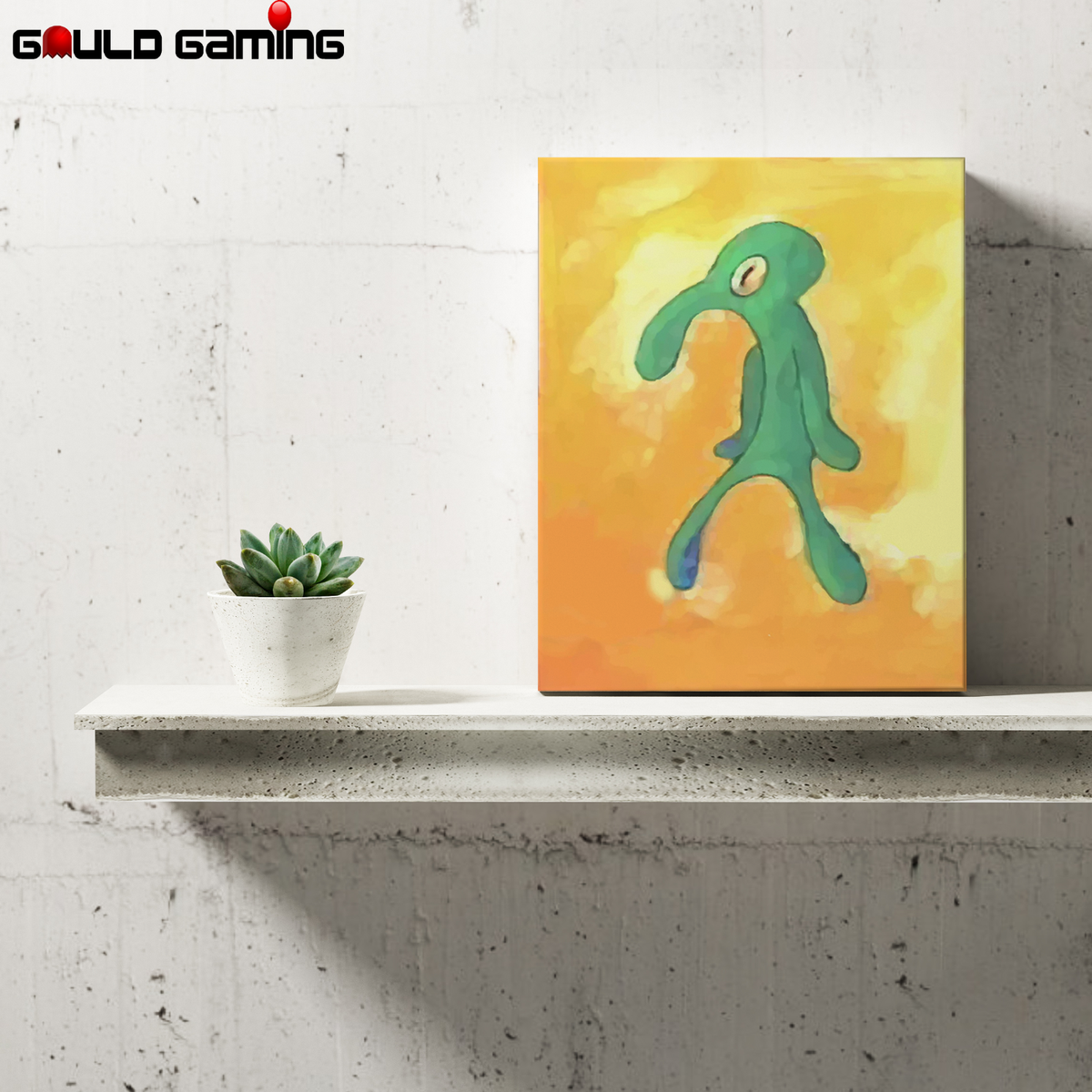
Bold and Brash Painting: Art That Refuses to Whisper
Bold and brash painting makes an immediate impression. It uses colour, contrast and confident mark-making to grab attention, challenge expectations and bring energy to a space. Rather than aiming for quiet harmony, this kind of art embraces drama: vivid hues clash, shapes demand notice and brushstrokes remain unapologetically visible.
“Brash” need not mean careless. At its best, a bold painting is carefully considered, with every expressive choice helping to create a mood or make a point. Its confidence comes from knowing what it wants to say—and saying it without hesitation.
What makes a painting bold and brash?
There is no single formula. A painting might feel bold because of its scale, its subject or the way it is made. Common features include:
- Vivid colour: saturated reds, electric blues, acidic greens and other intense shades can create excitement and tension.
- Strong contrasts: light and dark, warm and cool, or smooth and rough surfaces may be set against one another.
- Expressive brushwork: loose strokes, drips, splashes and visible corrections give a work a sense of movement and immediacy.
- Confident composition: oversized forms, unusual crops and off-centre arrangements can make the viewer look again.
- Direct subject matter: everyday scenes, portraits or familiar objects may be treated with humour, intensity or unexpected candour.
These qualities can appear in many kinds of painting, from figurative work to abstraction. What connects them is a willingness to be seen.
Colour with attitude
Colour is often the first thing people notice. A painter might use colours that seem to compete, then balance them through repetition, shape or a quieter area of the canvas. A bright orange beside a deep violet, for example, can create a lively visual clash. A small patch of muted colour may then give the eye somewhere to rest.
That tension is part of the appeal. Bold colour can feel joyful, confrontational, playful or uneasy, sometimes all at once. It can also shift the way we read a subject. A familiar object painted in an unexpected hue may seem less ordinary, while a portrait in high-contrast colours can feel emotionally charged.
Energy in the making
Brash painting often celebrates the act of painting itself. The texture of a loaded brush, the scrape of a palette knife or the looseness of a quickly made line can all become part of the finished image. These traces suggest that the work has been built through decisions, revisions and physical gestures.
Working with such freedom still takes judgement. A painter has to decide when to add, when to simplify and when to stop. Without those choices, a forceful image can become visually crowded. With them, apparent spontaneity can feel purposeful and alive.
Living with bold art
A vivid painting can become the focal point of a room, so it helps to consider how it will sit within its surroundings. It does not need to match the furniture. In fact, a contrast can make both the artwork and the room feel more distinctive. Giving a large or colourful piece enough space allows its details to breathe, while repeating one of its colours elsewhere can create a gentle link with the rest of the interior.
Most importantly, choose work that holds your attention. Bold and brash painting is not designed to disappear into the background. It invites a reaction—delight, curiosity, surprise or even disagreement. That strong response is not a side effect; it is part of the experience.
Art with presence
Bold and brash painting has enduring appeal because it brings personality and vitality to art. Its vivid colour and uncompromising approach can make a room feel more individual, and a familiar subject feel newly charged. Whether exuberant or provocative, it asks to be noticed—and rewards a closer look.
Bold and Brash Painting: 9 Frequently Asked Questions
- How big is bold and brash?
- What is the art style of bold and brash?
- How to get bold and brash painting?
- Is there a deeper meaning to Bold and Brash?
- What was the style of bold and intense miniature painting?
- What does bold and brash mean?
- When did bold and brash come out?
- Is Squidward good at painting?
- Who made the bold and brash painting?
How big is bold and brash?
There’s no fixed size for a bold and brash painting: the style can work just as well on a small canvas as on a large one. The right scale depends on the artwork and the space where it will hang. For the dimensions of a specific piece, check its individual product listing.
What is the art style of bold and brash?
“Bold and Brash” is best described as expressive, cartoon-inspired painting, using vivid colours, exaggerated forms and loose, energetic brushwork to create a playful, deliberately over-the-top effect. The phrase is also widely recognised as the name of Squidward’s fictional painting in SpongeBob SquarePants, where it is presented as an example of brash, attention-grabbing art. More generally, it can describe artwork that favours strong visual impact and personality over realism or subtlety.
How to get bold and brash painting?
To create a bold and brash painting, start with a vivid palette and use strong contrasts to make colours and shapes stand out. Work with energetic brushstrokes, confident lines or a palette knife, and don’t be afraid to layer, scrape back or let marks remain visible. Choose a clear focal point, then experiment with scale and composition to give the piece impact. Boldness comes from making deliberate choices, so step back as you work and keep what strengthens the image—rather than adding detail simply for its own sake.
Is there a deeper meaning to Bold and Brash?
Yes, “Bold and Brash” can suggest more than a lively use of colour and confident brushwork. Its exaggerated style may play with ideas of taste, self-expression and the boundary between skilful art and deliberate excess. The phrase itself can also carry a humorous, self-aware tone, inviting viewers to question whether a work is simply attention-grabbing or making a point about what art should be. Ultimately, its deeper meaning depends on the painting and the viewer: what seems brash at first may reveal feeling, satire or a thoughtful challenge on closer inspection.
What was the style of bold and intense miniature painting?
Bold and intense miniature painting was often characterised by vivid colours, intricate detail and dramatic contrasts, creating a striking effect within a small format. In South Asian traditions such as Mughal and Rajput painting, artists used fine brushwork to depict courtly life, stories and landscapes, with richly patterned settings and expressive figures. Despite their scale, these works could feel remarkably dynamic, combining close observation with bold composition and colour.
What does bold and brash mean?
“Bold and brash” describes a style that is confident, vivid and designed to make an impression. In painting, it often means striking colours, strong contrasts, expressive brushstrokes and compositions that catch the eye. “Bold” suggests self-assurance and originality, while “brash” adds a sense of energy and unapologetic flair. Depending on the work, the result may feel playful, dramatic or deliberately provocative.
When did bold and brash come out?
“Bold and Brash” first appeared in the SpongeBob SquarePants episode “Artist Unknown”, which premiered in 2002. The painting is one of Squidward Tentacles’ artworks, famously dismissed by the gallery curator with the line, “More like ‘Belongs in the Trash’!”
Is Squidward good at painting?
Squidward is certainly passionate about painting, but whether he is good at it is open to interpretation. In SpongeBob SquarePants, his work—especially the famously dramatic Bold and Brash—is presented with plenty of confidence, though it is often met with less enthusiasm by others. That contrast is part of the joke: Squidward sees himself as a serious artist, while viewers are left to decide whether his paintings are striking, unconventional or simply not to their taste.
Who made the bold and brash painting?
The “Bold and Brash” painting was made by Squidward Tentacles in the SpongeBob SquarePants episode “Artist Unknown”. Squidward submits it to an art gallery, where the critic dismisses it with the now-famous line, “More like ‘Belongs in the Trash’!”